
There’s something about spring that invites change.
After months of winter’s quiet stillness, the earth begins to shift. Snow melts. Rivers swell. Green shoots push through the soil where nothing appeared to be growing. Nature reminds us that change isn’t something to resist—it’s something to trust.
And yet, as women, we often do the opposite.
We cling to old versions of ourselves.
We hold onto routines that no longer serve us.
We resist the transitions happening in our bodies and lives.
I’ve been observing this within myself– somehow, what I do, the labels and roles I’ve assumed, the way I’m perceived by others… these have all seemingly become part of my identity. But it feels constricting. I have an urge to bust out, but what would that mean about me? Who am I without those parameters? (Spoiler alert: I have an inkling the most authentic version of myself is budding!)
What if this season—this moment—was an invitation to do something different?
What if we allowed ourselves to evolve?
Spring offers us a powerful metaphor: growth requires release. Before new leaves appear, trees let go of what’s old. Before flowers bloom, seeds split open in the soil.
Transformation requires change.
And that truth applies just as much to us as it does to nature.
Schedule an introductory call with Emily today to see how her coaching services can support you in getting back on track to feeling like yourself and reclaiming your health.
Letting Go Without Judgment
Many women reach a stage of life where they begin questioning the expectations they once carried.
The pressure to do it all.
The belief that productivity equals worth.
The idea that we must constantly prove ourselves.
Over time, those beliefs become heavy.
But something interesting happens as we age.
We begin to see things more clearly.
Research shows that emotional well-being often improves with age, even as life becomes more complex. A large study published in Proceedings of the National Academy of Sciences found that older adults reported greater emotional stability and less reactivity to stress compared to younger adults (Carstensen et al., 2011).
In other words, wisdom brings perspective.
Many women describe this stage of life as a turning point—the moment they realize they have fewer “f*cks to give” about things that don’t actually matter.
And that realization can be incredibly freeing.
You start asking better questions:
What actually matters to me?
What kind of life do I want to create now?
What am I ready to let go of?
Letting go doesn’t mean you’ve failed.
It means you’ve learned.
The Hormone Shift and the Wisdom Era
As women move through their late 30s, 40s, and beyond, hormones begin to shift. Estrogen, progesterone, and cortisol rhythms change, which can influence energy levels, mood, metabolism, sleep, and stress resilience.
But while the physical changes are real, this stage of life also brings something powerful:
Perspective.
Research on psychological development shows that midlife can be a period of greater clarity about personal priorities and purpose (Lachman, 2015). Many women begin redefining what success, health, and happiness look like for them.
Instead of chasing external expectations, they begin building lives aligned with their values.
They prioritize:
- Meaningful relationships
• Sustainable health habits
• Mental and emotional resilience
• Time spent doing what they truly love
It’s not a decline. It’s an evolution.
What Matters Most Now?
Spring is the perfect time to ask yourself:
What matters most to me right now?
Maybe it’s reclaiming your physical health.
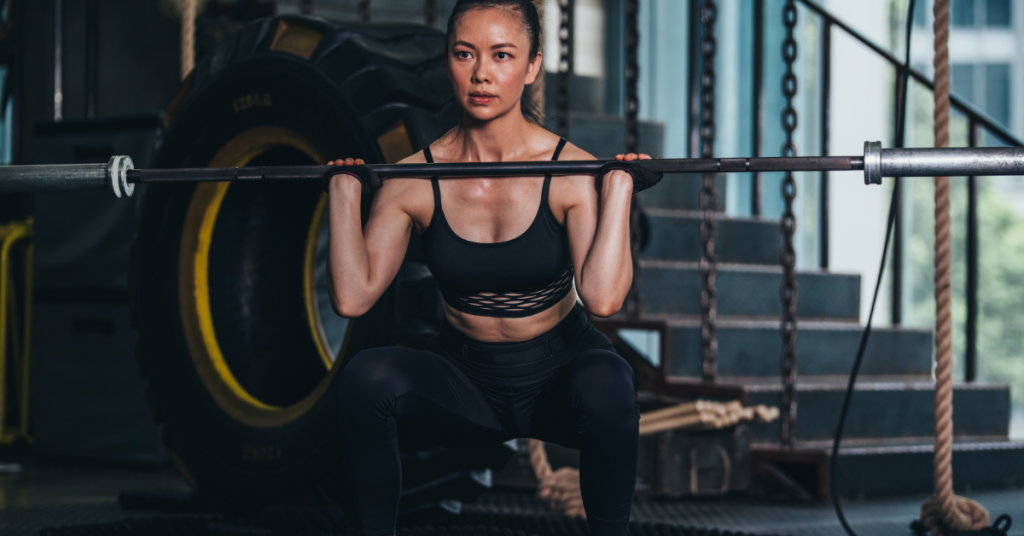
Strength training, movement, and cardiovascular health become increasingly important for women as they age. Studies show that strength training helps maintain bone density, muscle mass, and metabolic health—critical factors in preventing conditions like osteoporosis and metabolic disease (Westcott, 2012).
Maybe it’s learning how nutrition can support your body in this new stage of life.
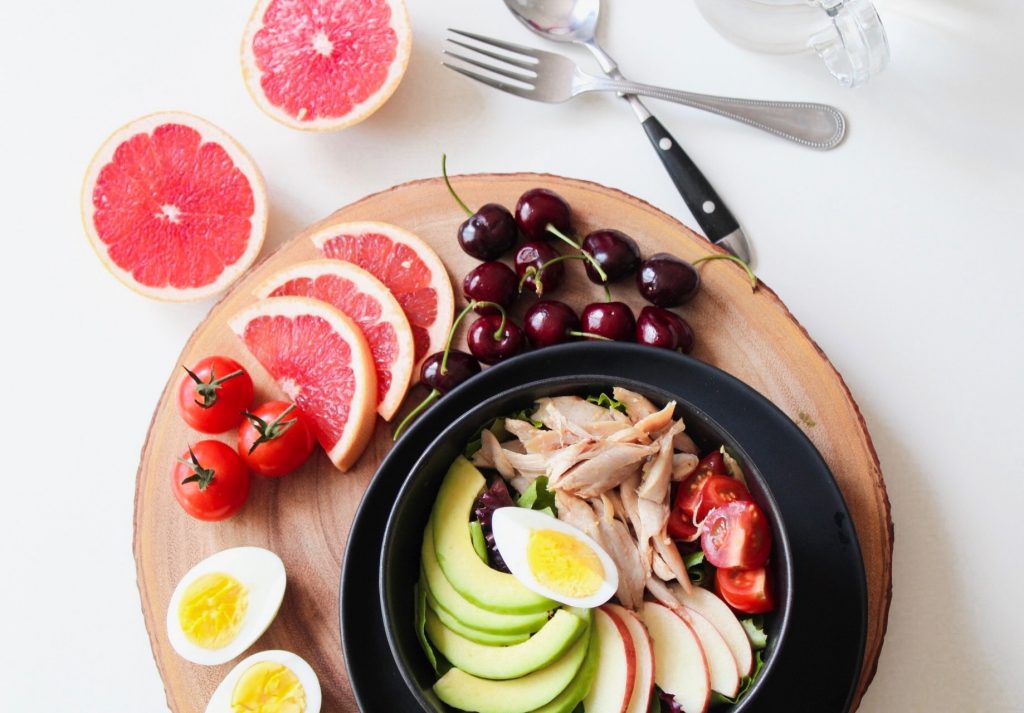
Fiber, protein, healthy fats, and nutrient-dense foods can support hormone balance, gut health, and energy levels. Research suggests that diets rich in whole foods—particularly plants—are associated with improved metabolic health and reduced inflammation (Harvard T.H. Chan School of Public Health, 2023).
Maybe it’s tending to your mental and emotional well-being.
Stress levels among women remain high. According to the American Psychological Association’s Stress in America report, women consistently report higher stress levels than men, particularly when balancing work, family, and caregiving roles (APA, 2023).
That’s why practices like mindfulness, self-compassion, and nervous system regulation are so powerful.
Self-compassion researcher Dr. Kristin Neff found that individuals who practice self-compassion experience lower anxiety, greater emotional resilience, and improved overall well-being (Neff, 2011).
Imagine what could change if we spoke to ourselves with the same kindness we offer others.
From Resistance to Empowerment
Motivational speaker and author Mel Robbins often reminds us that change rarely begins with motivation.
It begins with action.
Her research on behavioral change suggests that small, consistent actions create momentum, even when motivation is low (Robbins, 2017).
Similarly, Jay Shetty emphasizes that meaningful transformation happens when our habits align with our values.
“When our daily habits match the person we want to become, change becomes sustainable.” — Jay Shetty
This is where many women find themselves stuck. They know they want something different—but they’re unsure how to start.
And that’s completely normal.
Lasting change rarely happens overnight. Instead, it’s built through small, supportive steps that compound over time.
Why Coaching Makes Change Sustainable
Research consistently shows that accountability and structured support dramatically improve behavior change outcomes.
According to the American Society of Training and Development, people are 65% more likely to reach a goal if they commit to someone else, and up to 95% more likely if they have ongoing accountability check-ins.
That’s where coaching can become a powerful tool.
Coaching isn’t about being told what to do.
It’s about having a guide who helps you:
- Identify what truly matters to you
• Create realistic, sustainable goals
• Build habits that support your well-being
• Stay accountable through life’s inevitable ups and downs
At its core, coaching creates space for growth.
A space where you can let go of what no longer serves you—and step into the next version of yourself with clarity and confidence.
Schedule an introductory call with Emily today to see how her coaching services can support you in getting back on track to feeling like yourself and reclaiming your health.
A Season of Becoming
Spring reminds us that growth is not linear. Some days feel full of energy and possibility. Other days feel slow and uncertain. Both are part of the process.
The key is allowing yourself to evolve without judgment.
You don’t have to stay the same person you were five years ago. Or even last year.
You are allowed to grow.
You are allowed to change.
You are allowed to release what no longer fits.
And in doing so, you create space for something better.
So this season, consider asking yourself one simple question: What am I ready to let go of so I can grow?
The answer might just lead you somewhere beautiful.
Schedule an introductory call with Emily today to see how her coaching services can support you in getting back on track to feeling like yourself and reclaiming your health.
References
American Psychological Association. (2023). Stress in America Report.
Carstensen, L. L., et al. (2011). Emotional experience improves with age: Evidence based on over 10 years of experience sampling. Proceedings of the National Academy of Sciences.
Harvard T.H. Chan School of Public Health. (2023). Healthy Eating Plate & Nutrition Research.
Lachman, M. (2015). Mind the gap in the middle: A call to study midlife. Research in Human Development.
Neff, K. (2011). Self-Compassion: The Proven Power of Being Kind to Yourself.
Robbins, M. (2017). The 5 Second Rule.
Westcott, W. (2012). Resistance training is medicine. Current Sports Medicine Reports.
Shetty, J. (2020). Think Like a Monk.